
How animal welfare is integrated into the meat supply chain: the experience of El Encinar de Humienta
“Animal welfare depends largely on the human factor”
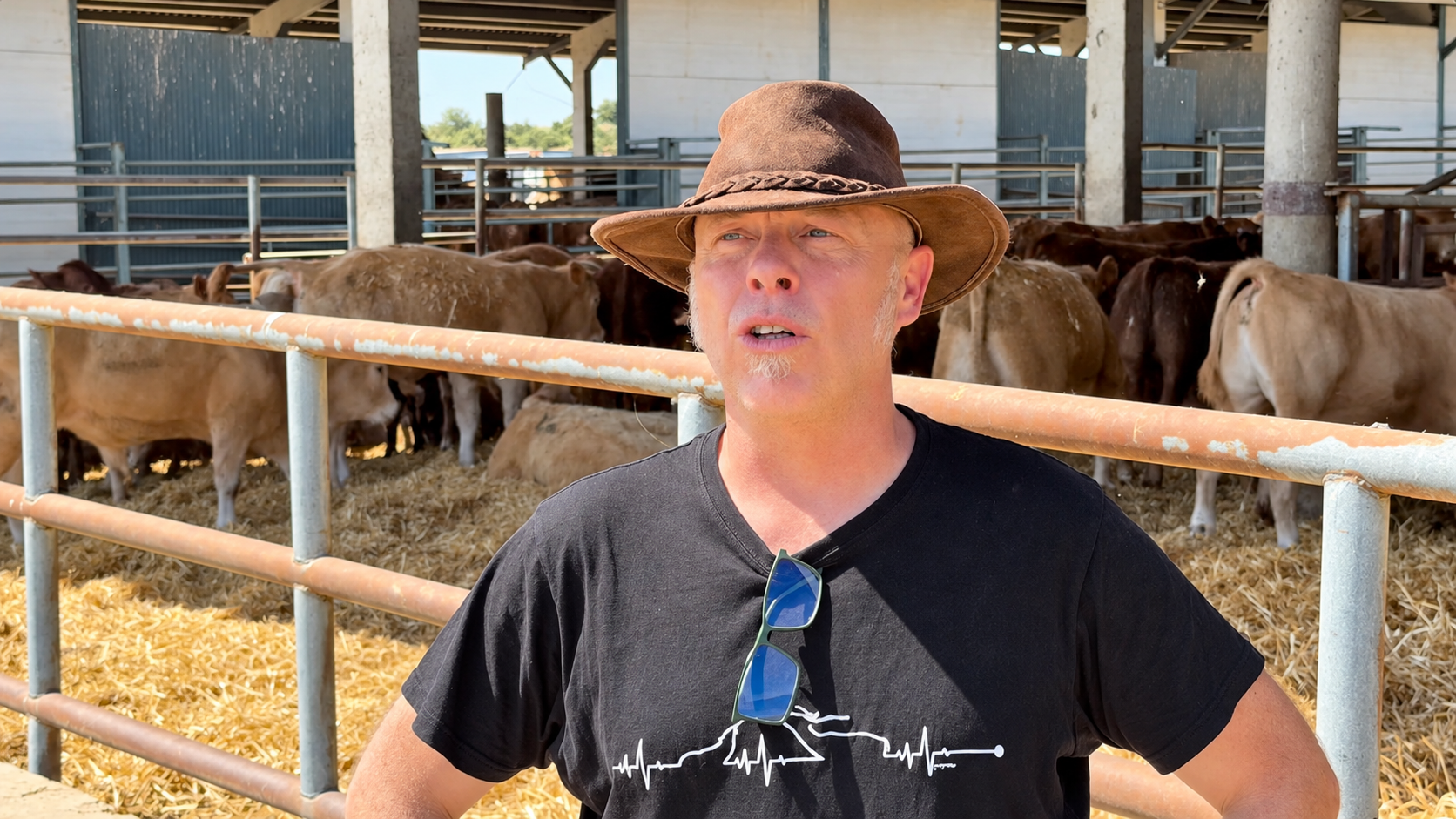
For José Manuel Perales, head of animal welfare at El Encinar de Humienta, team training and animal observation are fundamental to daily progress. His work requires him to be in contact with those who raise, transport, and handle the animals, and to review how each phase of the process can contribute to improving their well-being.
In this interview, she shares the challenges of that work and explains how the evaluation of Welfair® helps them identify concrete improvements: from adapting hallway lighting to improving floor grip. A conversation about the people, decisions, and daily work behind animal welfare.
1. What role does animal welfare play in the activities of El Encinar de Humienta?
Animal welfare is a fundamental aspect of our business and is present at every stage of the process, from the farms and feedlots to transport, housing, and slaughter. It is part of our commitment to the quality of the final product and is integrated across all our daily operations.
2. In an activity like yours, which involves coordination with different actors, how is animal welfare integrated into daily life?
It is integrated through coordinated work among all stakeholders and by applying defined procedures at each stage. Furthermore, we have trained and committed staff dedicated to animal welfare, ensuring that these criteria are consistently applied on a daily basis.
3. El Encinar de Humienta works in constant contact with suppliers and customers. How is animal welfare managed throughout the entire chain?
Our management approach is based on direct involvement from the very beginning. We participate in the management of livestock farms and are co-owners of some feedlots, which allows us to have greater control over conditions in the early stages of the supply chain. This approach is complemented by ongoing collaboration with
Suppliers and customers to maintain aligned criteria. Training for staff throughout the supply chain is essential; from our livestock buyers to the staff in the slaughter area, everyone is committed to excellence. trained in WELFAIR®, both externally and internally by trainers with extensive experience in Animal Welfare.
4. How have you experienced the evolution of animal welfare in the meat sector in recent years?
The sector has undergone a significant evolution, with a higher level of demand and control in all phases.
Animal welfare has become increasingly important, driven by both regulations and market trends, as well as the demand for greater transparency. While farmers have always been involved in the welfare of their livestock, now, through in-house training for our direct suppliers, they are aware of the direct link between animal welfare and the quality of the final product.
5. What challenges are involved in ensuring animal welfare in an activity like yours, and how are they addressed in practice?
One of the main challenges is ensuring its correct application throughout all phases of the process. To achieve this, staff training and continuous supervision are key.
—including the role of the Animal Welfare Officer— and compliance with the established standards in our facilities and operations. The ongoing training of our staff, starting with the Animal Welfare Officer, and the number of inspections by our clients, ensure that the internal Animal Welfare standard is always present in our daily operations.
«Welfair® helps us transform the observation of animals into concrete improvements in their well-being."
6. What led you to opt for an evaluation system based on scientific indicators such as Welfair®?
The commitment to these types of systems responds to the need for objective tools that allow for a rigorous evaluation of animal welfare based on technical criteria, thus facilitating continuous improvement. The evaluation of animal welfare status by WELFAIR®, allows you to observe the animal and be objective when assessing its emotional state, whether positive or negative, and with the conclusions of that observation, be able to carry out improvements in management, infrastructure, genetics, etc., to improve the general condition of the animals.
7. What value does having an external and independent assessment of animal welfare bring?
It provides an objective view of the work performed and reinforces confidence in the processes. Furthermore, it allows for internal validation of applied practices and the identification of potential areas for improvement.
"With Welfair® We identify improvements in the facilities that contribute to reducing animal stress and, indirectly, have a positive impact on the quality of the final product."
8. How does this evaluation translate into concrete improvements within daily operations?
This translates into the continuous review of procedures, the improvement of operating conditions and the reinforcement of good practices in animal handling, which allows us to maintain high standards in all phases of the process.
On a practical level, these assessments help us identify specific areas for improvement in our facilities. For example, we have optimized the lighting in the walkways to facilitate animal movement, and improved the flooring in walkways and pens to enhance grip. These actions contribute to better handling, reduce stress levels in the animals, and indirectly have a positive impact on the quality of the final product.
9. What role does team training and commitment play in this area?
It's fundamental. Animal welfare depends largely on the human factor, so internal training and team specialization are key to ensuring the correct application of procedures on a daily basis. Our animal welfare managers, livestock buyers, and part of the Quality team are trained by IRTA in WELFAIR®, conducting internal training annually and attending international events to keep our Animal Welfare training up to the standards we demand as a company.
10. Looking to the future, what are the main challenges to continue advancing animal welfare in the sector?
The main challenge is to continue making progress in continuous improvement, maintaining high standards in an increasingly demanding environment. Training, investment in facilities, and the application of technical criteria will remain key elements in meeting these challenges. Ongoing communication with live animal suppliers is essential to further strengthen their commitment to animal welfare.